

Alternative-fuel ships outpace port readiness, new LR report finds
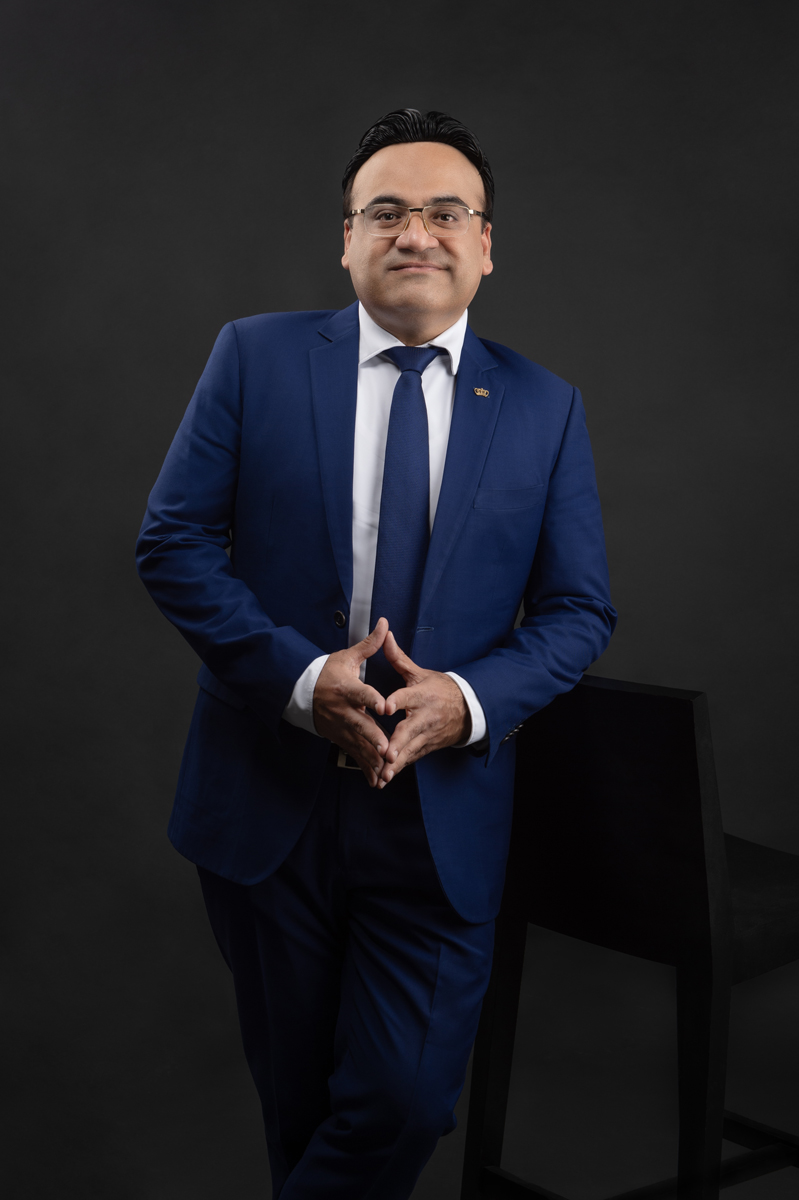
Kamran Ul Haq, Senior Vice President, LR Ports Advisory
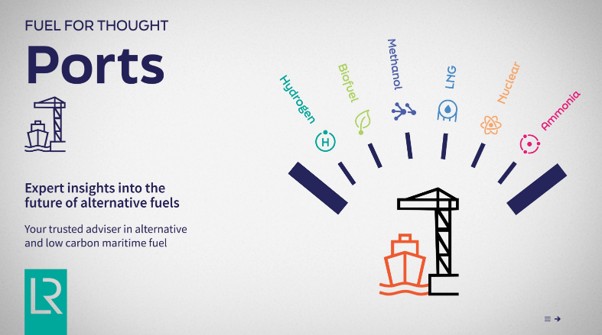
FFT Ports front cover
1,942 alternative-fuel-capable vessels on order but methanol bunkering is available at just 25 ports & commercial ammonia bunkering has taken place at only one.
LR’s new Fuel for Thought: Ports report finds that 1,942 alternative-fuel-capable vessels were on order in January 2026, with alternative-fuel ships representing 47% of global orderbook tonnage, according to Clarksons Research. Yet readiness differs sharply by fuel: LNG bunkering was available at 222 ports, compared with just 25 actively offering methanol, while the first commercial ammonia bunkering operation, at Ulsan in South Korea, was completed only in April 2026.
The gap is particularly stark for emerging fuels. LR identified 385 methanol-capable and 45 ammonia-capable vessels on order, while the infrastructure and low-carbon fuel supply needed to serve them remains concentrated among a relatively small number of ports. Most ports pursuing ammonia remain at pilot, trial or safety-framework stage.
The report concludes that fuel choice and trade route are now inseparable, with newbuild and conversion decisions needing to reflect the availability of fuel at the ports vessels will actually use.
Kamran Ul Haq, Senior Vice President, LR Ports Advisory, said: “The fleet is moving faster than the infrastructure needed to support it. An owner can order an alternative-fuel vessel today, but that does not mean the fuel will be available where that ship needs it. Fuel strategy and trading strategy can no longer be considered separately.
“Ports do not need to back every fuel. They need to understand where credible demand will emerge and put the safety, regulation, skills and partnerships in place to respond. Ports that make those decisions early will be better positioned as alternative-fuel volumes grow.”
The report shows that the transition is developing at markedly different speeds by fuel. LNG already has a mature, near-global bunkering network, while biofuel blends are the most immediately deployable option because they can largely move through existing bunker infrastructure. Methanol is becoming commercially established at a small number of major ports, while ammonia has moved from demonstrations into commercial bunkering at Ulsan but remains at an earlier stage elsewhere. Hydrogen remains largely a short-sea and demonstration fuel.
The research also points to a geographically concentrated transition, with many of the commercial and near-commercial milestones identified clustered around Northern Europe, North Asia and Singapore. This reinforces the need for owners to assess fuel availability along individual trade routes rather than rely on global measures of alternative-fuel readiness.
For fuels that can use established infrastructure, the picture is more mature. LR’s Fuel Oil Bunker Analysis and Advisory Service (FOBAS) data recorded drop-in biofuel deliveries at 90 ports worldwide over the previous 12 months. The 13 leading ports accounted for 77.5% of bunker quantities recorded, with Singapore alone representing more than a quarter.
Safety, regulation and workforce capability will also determine how quickly ports can move from trials to routine supply. The report identifies berth-specific risk assessment, appropriate licensing, emergency preparedness and trained personnel as recurring foundations behind successful alternative-fuel operations
Kamran Ul Haq adds: “For ports, investment should follow credible demand rather than trying to prepare for every fuel at once. Named vessel programmes and green shipping corridors are also ways to reduce infrastructure risk, alongside early investment in safety frameworks, licensing, emergency preparedness and workforce skills.”
LR Fuel for Thought: Ports forms part of LR’s wider award-winning Fuel for Thought series, which provides independent, technical insight into the alternative fuels shaping shipping’s transition to lower carbon operations. The report is intended to support informed decision-making across the ports sector as it navigates the complexities of maritime energy transition.
Download LR Fuel for Thought: Ports at: Fuel for thought: Ports report | LR
Glenn Harris
Lloyd's Register
+ +44 7809 757779
Visit us on social media:
LinkedIn
Instagram
Facebook
YouTube
X
Legal Disclaimer:
EIN Presswire provides this news content "as is" without warranty of any kind. We do not accept any responsibility or liability for the accuracy, content, images, videos, licenses, completeness, legality, or reliability of the information contained in this article. If you have any complaints or copyright issues related to this article, kindly contact the author above.
