

When to Customize? Decisions Facilitated by a Custom Electric Motor For Industrial Application Solutions Provider

The Standard vs. Custom Paradox: Establishing an Engineering Evaluation Framework
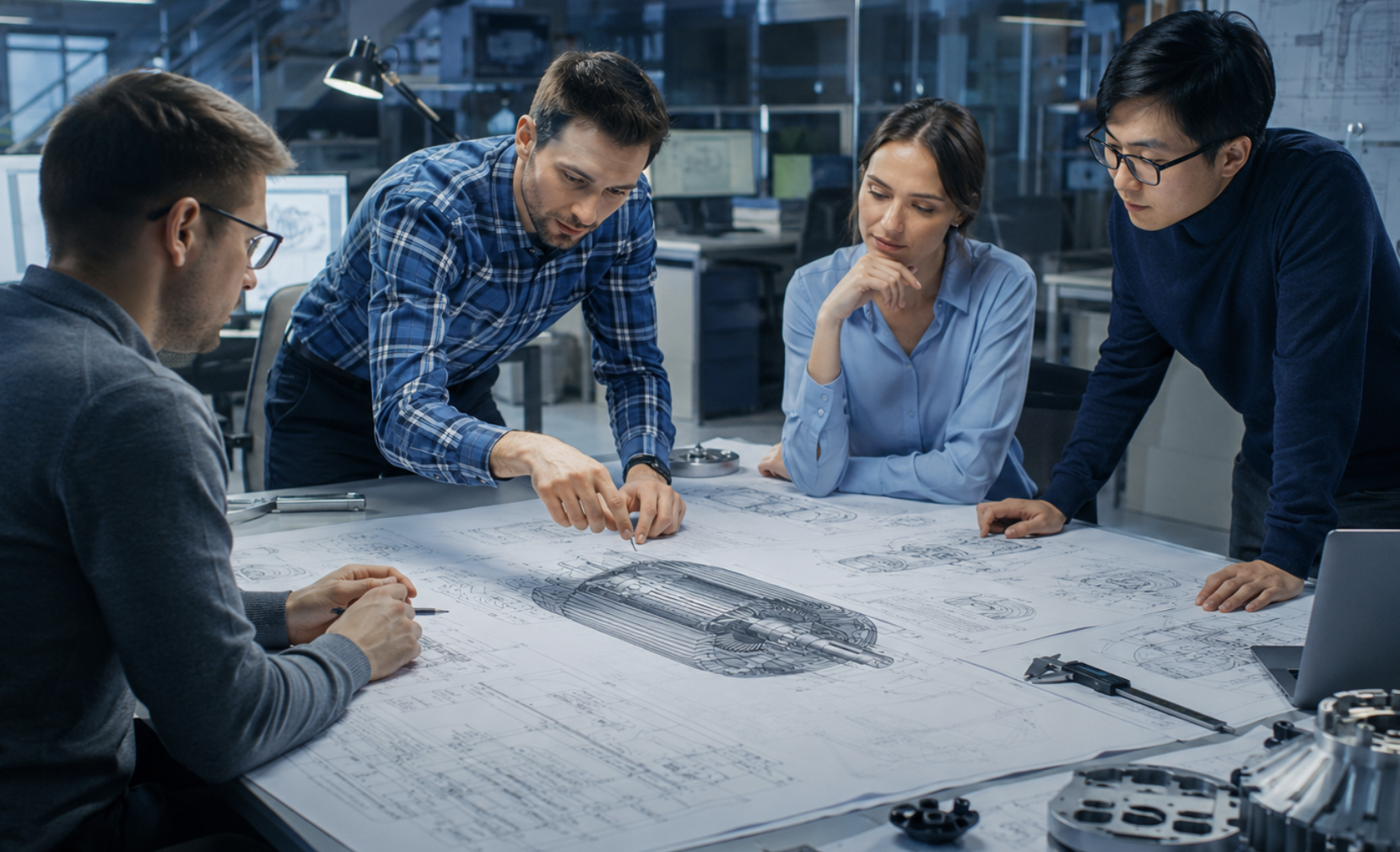
Standard catalog electric motors follow fixed physical dimensions and generic electrical ratings outlined by international standard bodies. These predefined parameters satisfy mainstream, uniform operations perfectly because they match standard utility grids and basic machinery interfaces. However, heavy industries often involve unique operational variables that deviate significantly from standard laboratory test conditions. When a standard catalog motor operates outside its ideal performance curve, internal efficiency drops and energy losses accumulate rapidly. Furthermore, maintenance crews must implement external mechanical adaptation kits, such as complex shaft couplings or offset transition plates. These structural additions increase mechanical complexity and frequently introduce new vibration failure nodes into the drive train. Therefore, forward-thinking engineers must calculate the comprehensive total cost of ownership rather than comparing baseline purchase prices alone. A true lifecycle cost model includes initial installation modifications, ongoing maintenance overhead, and localized energy efficiency losses. By evaluating these technical and financial factors objectively, procurement executives can identify the exact tipping point where customization optimizes the factory budget. Customized engineering removes unnecessary mechanical interfaces, simplifies the physical drive train, and maximizes energy conversion efficiency under actual operating conditions. This strategic choice helps modern industrial operations avoid the costly cycle of repetitive field repairs and premature equipment replacement.
Q1: How do hyper-restricted spatial configurations and non-standard mechanical mounting configurations justify the engineering costs of structural customization?
Answer 1: Compact municipal pump stations, integrated chemical injection skids, and underground mining equipment present severe physical constraints for equipment installation. Standard IEC or NEMA frame dimensions often cannot fit inside these highly restricted machinery envelopes without requiring major, expensive structural modifications to the surrounding facility. Instead of rebuilding heavy reinforced concrete foundations or altering the driven machine, engineers specify a custom motor frame housing or non-standard shaft extensions. Customized flange mountings, specialized terminal box orientations, and dual-shaft configurations allow seamless, drop-in integration during plant overhauls. This precise geometric tailoring completely eliminates the need for expensive mechanical adapters and offset belt drives. Consequently, the project team saves substantial installation time, reduces structural weight, and minimizes mechanical vibration risks during heavy-duty, high-torque operations.
Q2: When do volatile dynamic load profiles and specialized VFD operating frequencies demand a custom electromagnetic design?
Answer 2: Heavy industrial machinery often operates under highly non-standard speed, torque, and power conditions that challenge standard electrical windings. For instance, high-speed textile machinery or specialized polymer extruders require constant torque outputs at ultra-low frequencies or extreme synchronous speeds. Standard catalog induction motors run excessively hot or experience severe torque ripple under these conditions, which can ruin delicate product batches. To prevent these operational failures, electrical engineers alter the internal stator slot geometries and modify the baseline magnetic flux distribution. Tailoring the electromagnetic profile to match specific inverter switching frequencies prevents dangerous harmonic overheating and maintains high power factor efficiency. Thus, customized winding patterns protect the electrical insulation and ensure smooth, continuous torque delivery across the entire variable operating range.
Q3: How do harsh environmental stressors like high chemical salinity, abrasive dust, or high-altitude air density loss rewrite standard motor protection and insulation baselines?
Answer 3: Standard catalog motors suffer rapid degradation when operators expose them to extreme micro-climates without proper modification. High-altitude industrial installations operating above 1000 meters suffer from significantly reduced air density, which impairs natural convective cooling and causes severe thermal de-rating. Similarly, coastal chemical processing plants and offshore oil platforms expose rotating machinery to high atmospheric salinity, ambient moisture, and corrosive gasses. To counter these severe environmental threats, customized engineering introduces premium Class H insulation materials and advanced Vacuum Pressure Impregnation (VPI) treatments. Special dual-chamber terminal boxes and heavy-duty IP65 or IP66 sealing systems prevent the ingress of destructive particles and moisture. These targeted enhancements ensure long-term reliability across diverse industrial applications without requiring expensive, space-consuming secondary protective enclosures or external air-conditioned shelters.
Q4: In what ways can system-level customization eliminate cumulative component failure points and simplify field installation?
Answer 4: Traditional engineering procurement methods treat the electric motor, external monitoring sensors, and secondary cooling systems as entirely separate components. This fragmented sourcing approach increases field assembly complexity, extends installation schedules, and introduces significant alignment errors during commissioning. Conversely, system-level customization integrates all vital auxiliary monitoring and protection components directly into the core motor design during factory production. Advanced custom powertrains feature built-in PT100 temperature sensors, integrated proximity vibration monitoring nodes, and customized forced-cooling blower manifolds. This comprehensive configuration minimizes external field wiring requirements, simplifies terminal connections, and streamlines installation for global engineering contractors. By eliminating external add-ons, the integrated powertrain reduces cumulative failure points and boosts overall system reliability.
The Strategic Sourcing Protocol: Leveraging the SUNVIM Modular Design Engineering Infrastructure
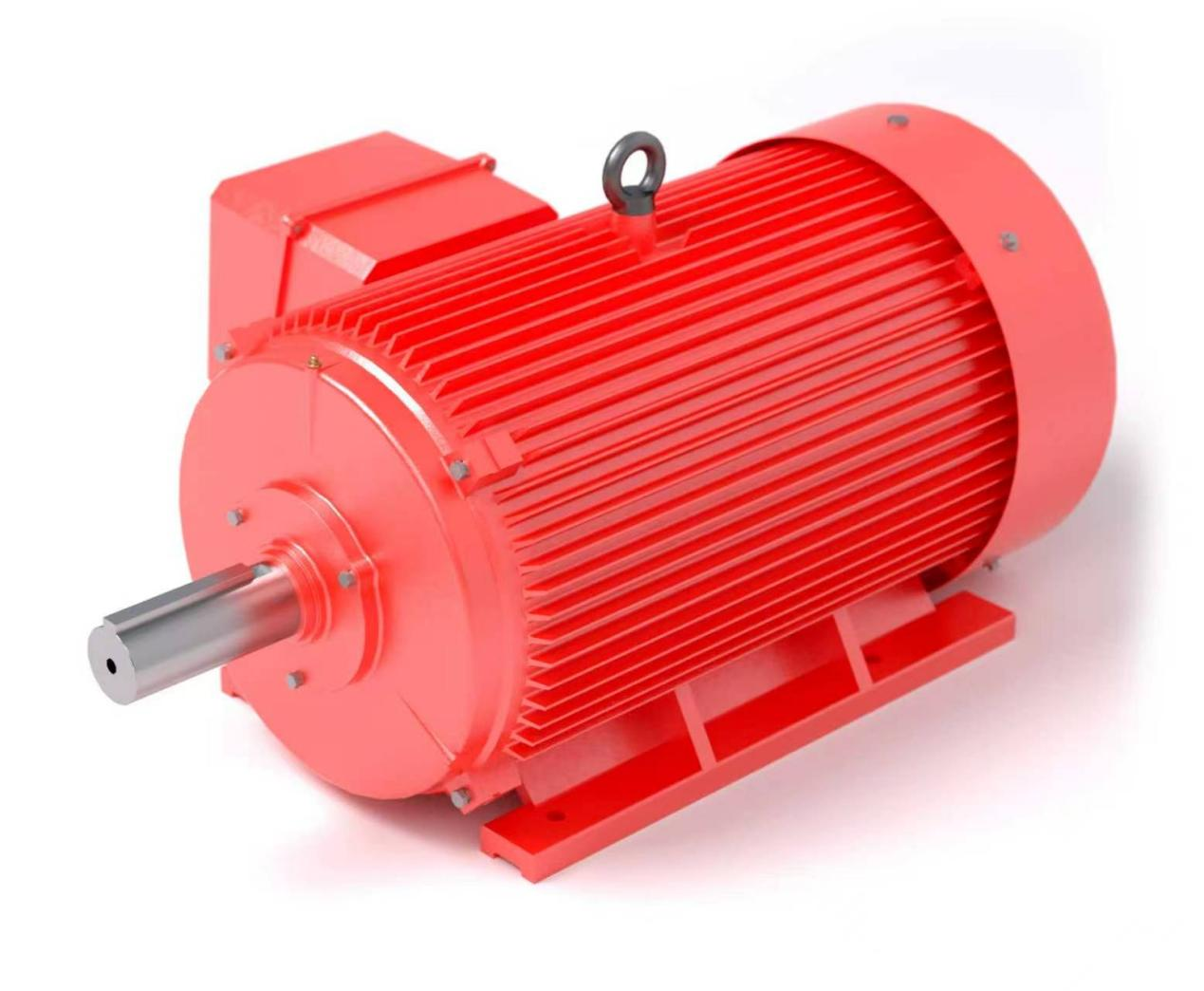
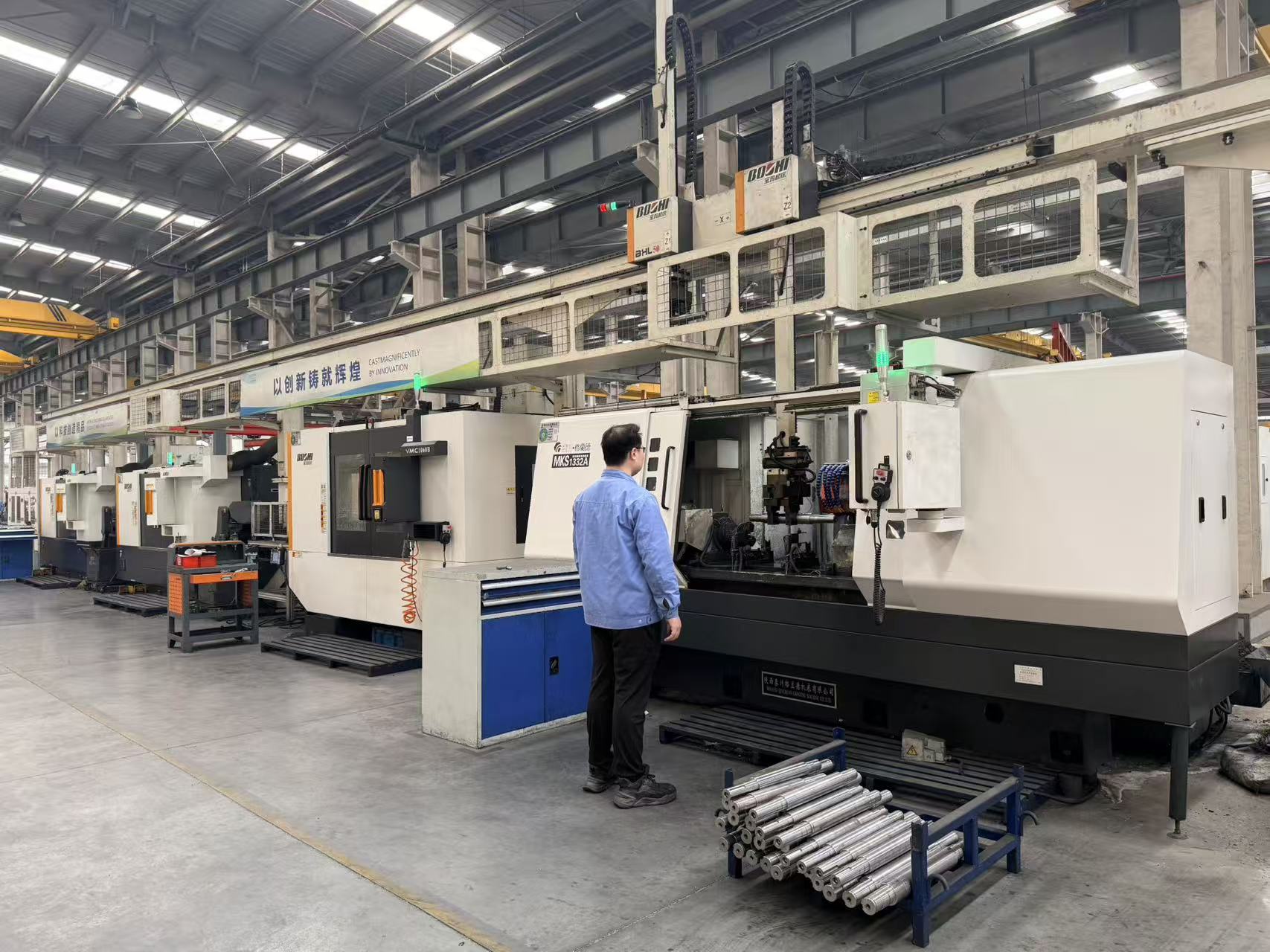
Modern industrial enterprises need a strategic manufacturing partner that can bridge the gap between mass-production efficiency and bespoke engineering precision. SUNVIM MOTOR(SHANDONG SUNVIM MOTOR CO., LTD.) provides this vital capability through a highly flexible, modular design engineering infrastructure. This advanced manufacturing framework allows the company to customize low-voltage IEC motors, high-voltage induction motors, and specialized slip ring motor product lines efficiently. Instead of designing every customized motor completely from scratch, experienced engineering teams utilize standardized, high-quality component modules to modify mechanical and electrical behaviors. For example, when an application requires exceptionally high starting torque under strict starting current limits, the factory adapts its responsive slip ring motor designs to match the exact grid limitations of the industrial site.
Similarly, for modern applications demanding maximum power factor and extreme energy conservation, the FP series permanent magnet synchronous motor can be customized with specific rotor topologies to optimize performance. This modular engineering strategy keeps production lead times short and ensures stable, predictable pricing for global buyers. SHANDONG SUNVIM MOTOR CO., LTD. executes rigorous validation testing on every customized machine to guarantee full compliance with international safety and efficiency regulations. This strict quality control ensures that custom-built units deliver exceptional efficiency and reliable performance in the field. By partnering with an experienced global exporter, engineering firms can mitigate supply chain risks and secure highly optimized powertrain solutions. Ultimately, choosing a modular customization path helps modern factories eliminate operational waste, lower total cost of ownership, and achieve long-term engineering autonomy.
Corporate Website: https://www.sunvimmotor.com/.
SHANDONG SUNVIM MOTOR CO., LTD.
SHANDONG SUNVIM MOTOR CO., LTD.
+ +86 536-5827128
email us here
Visit us on social media:
LinkedIn
Facebook
YouTube
X
Legal Disclaimer:
EIN Presswire provides this news content "as is" without warranty of any kind. We do not accept any responsibility or liability for the accuracy, content, images, videos, licenses, completeness, legality, or reliability of the information contained in this article. If you have any complaints or copyright issues related to this article, kindly contact the author above.
